

Sanzi
China, 1965

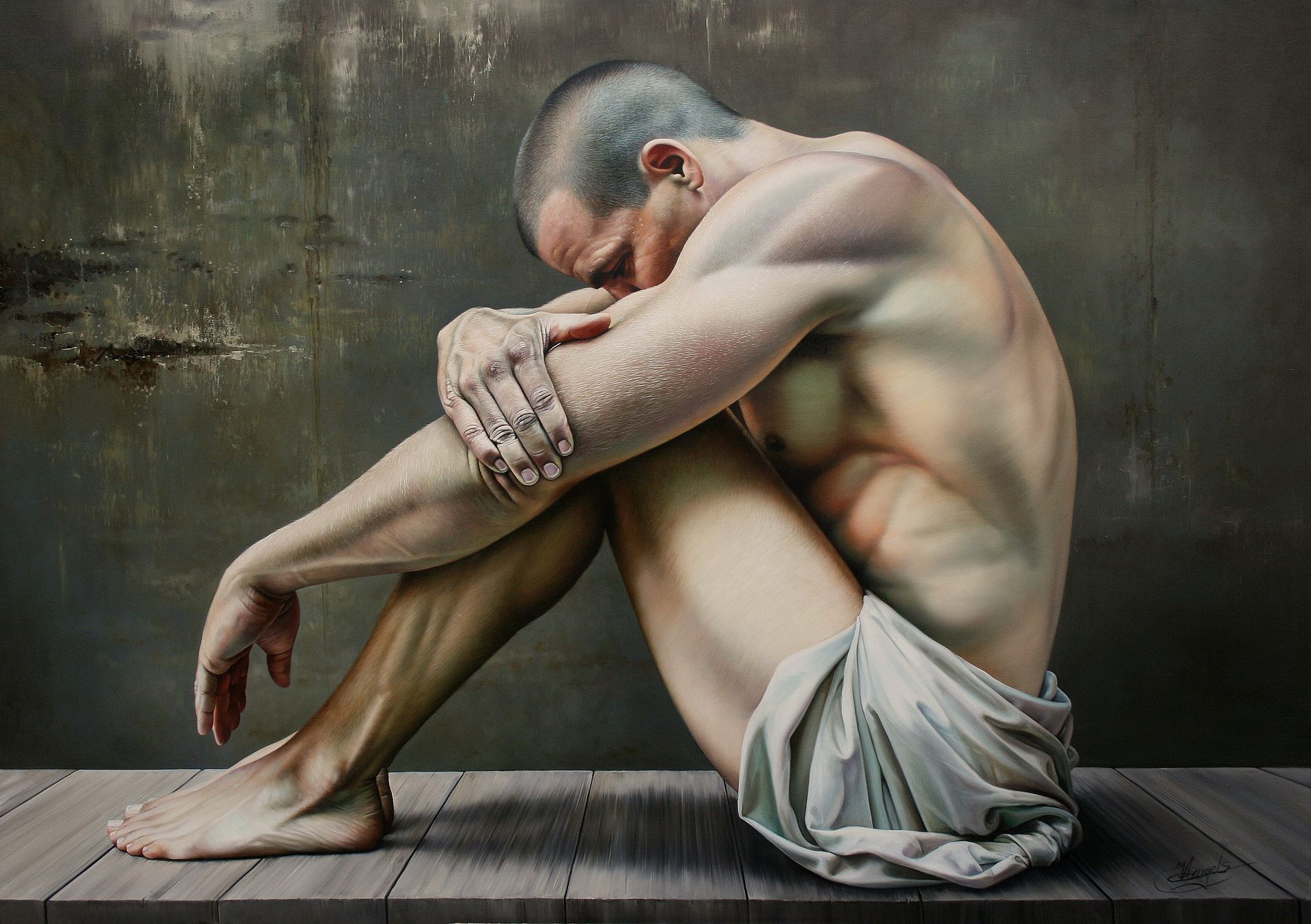
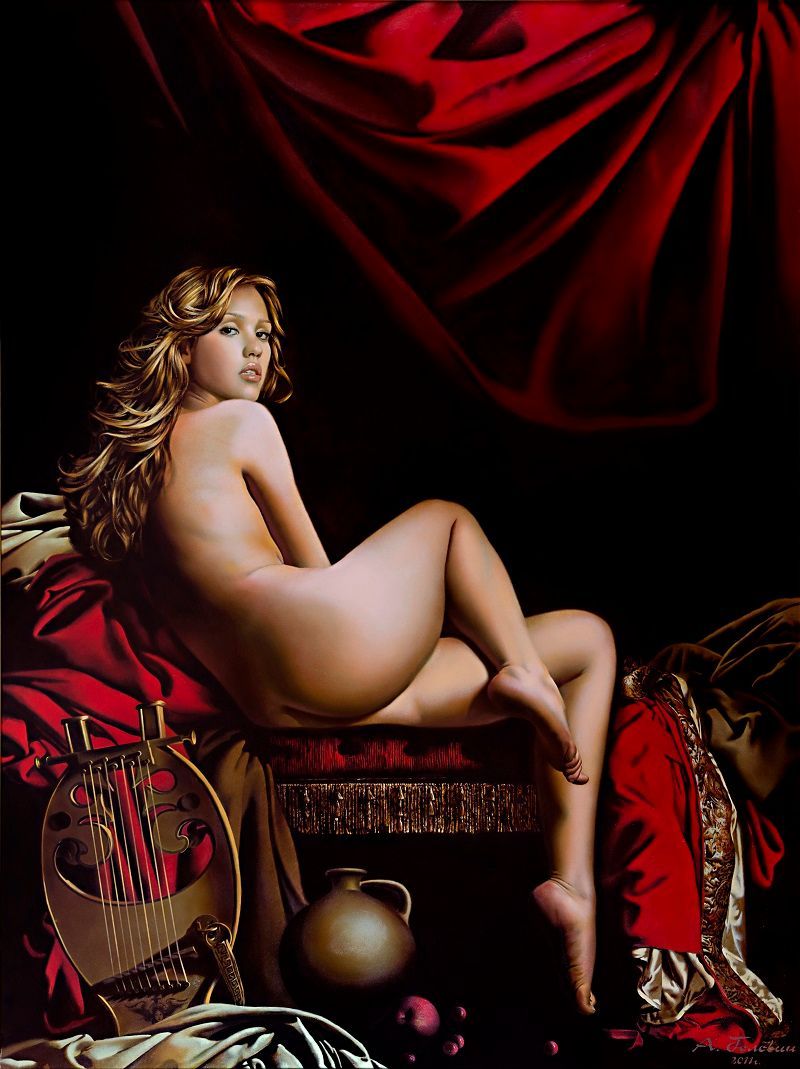
Artist's works
Artist Profile
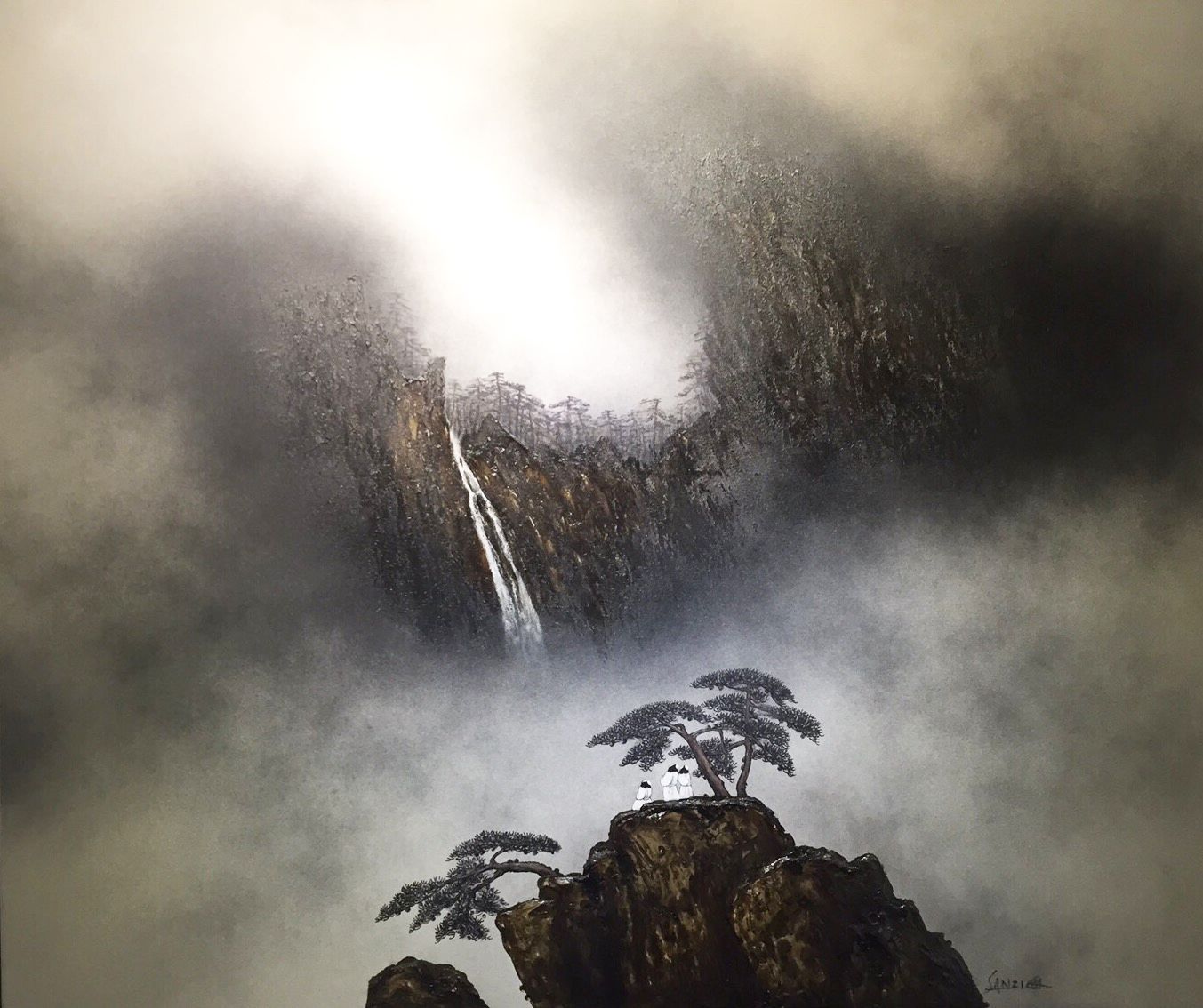
Viewing the waterfall
Introduction and Experience
Sanzi is a contemporary Chinese artist born in Yangzhou, Jiangsu Province in 1965. He primarily uses oil painting, and his artistic language is deeply influenced by Taoist philosophy. Through the canvas, he constructs a world of "Tao follows nature," allowing viewers to visually experience the subtle relationship between heaven and earth and humanity. His works are recognized and influential not only in mainland China but also on the international art scene.
Sanzi's work is deeply influenced by Taoist/Lao-Zhuang philosophy, which forms the core of his artistic thought. He emphasizes themes such as "following nature," "returning to simplicity," and "the harmonious coexistence of heaven and earth and all things," expressing philosophical reflections through figurative painting language. Visually, his works often present a transcendent and beautiful artistic conception, with clear spatial contrasts between figures and nature, mountains, rivers, and clouds, emphasizing the perspective of "human beings being insignificant in the universe." He believes that figures should not be the dominant force in the painting, but rather a part of the natural order, thereby evoking the viewer's reflection on "the unity of heaven and man." In addition, Sanzi's works mainly employ oil painting techniques, and his paintings are characterized by soft tones, concise lines, and delicate rendering of light and shadow.