

Chang Daichien
Taiwan, 1899-1983
Artist's works
Artist Profile
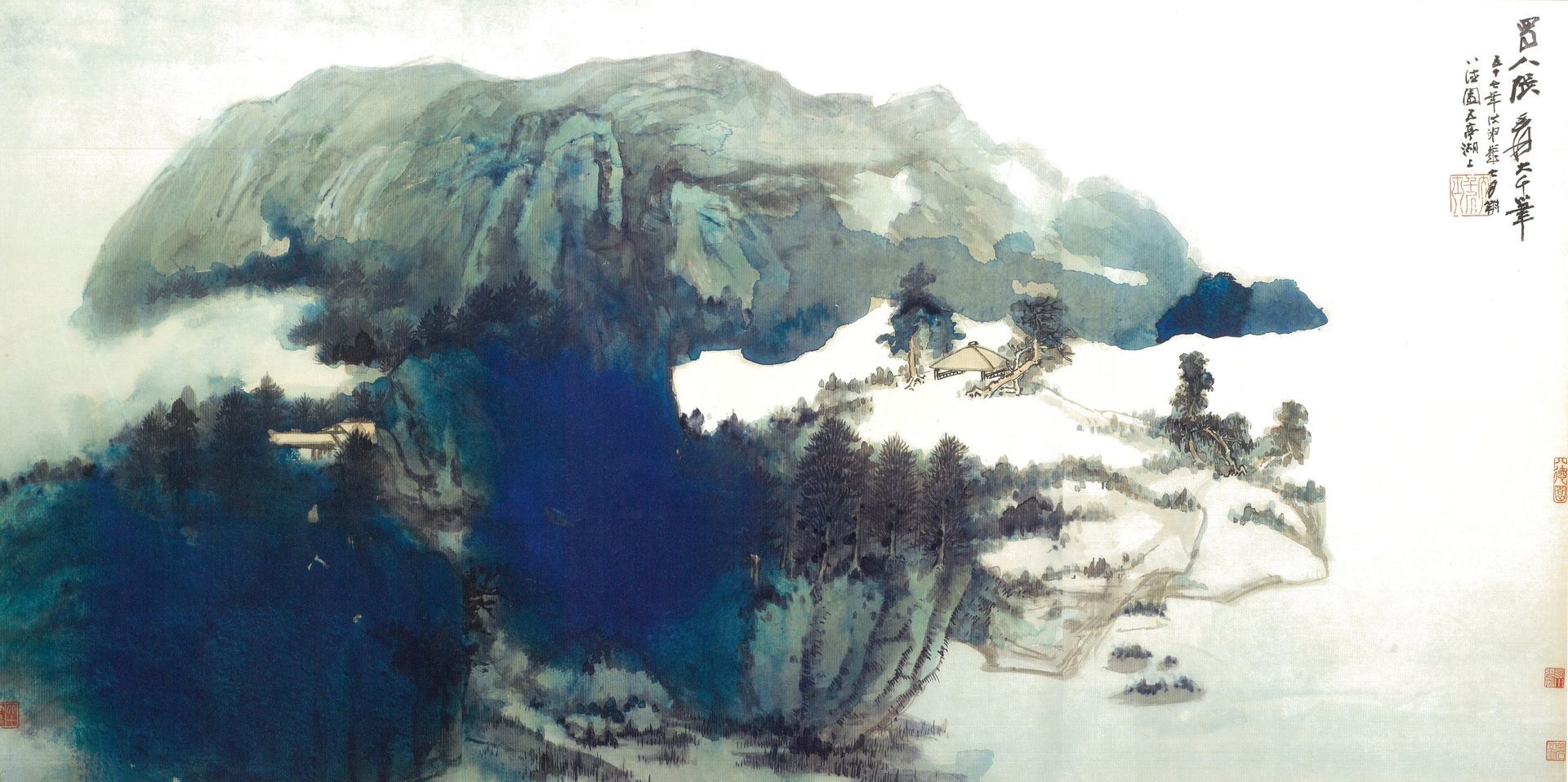
Broad Bay and Clear Mist
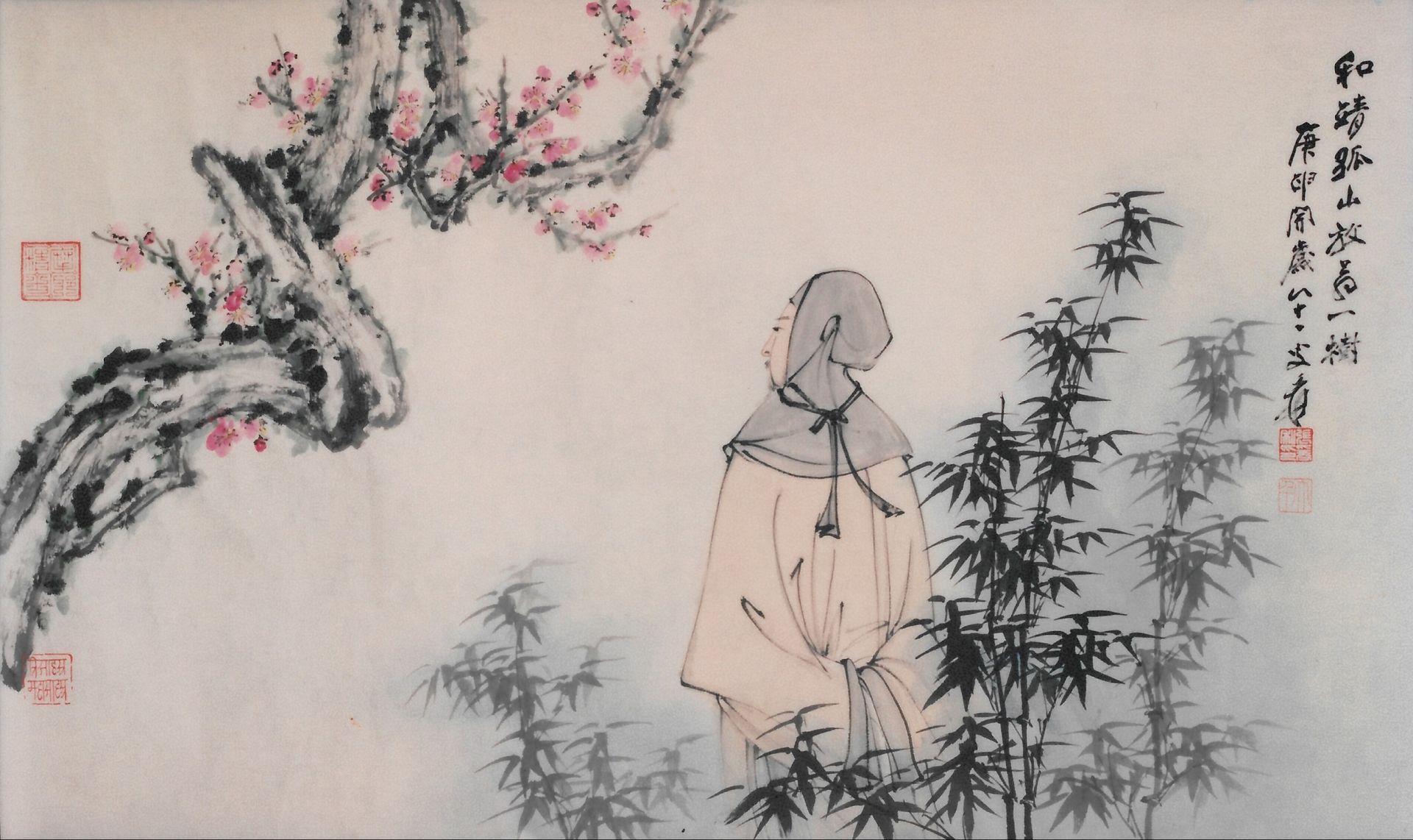
A Hermit Under the Plum Tree
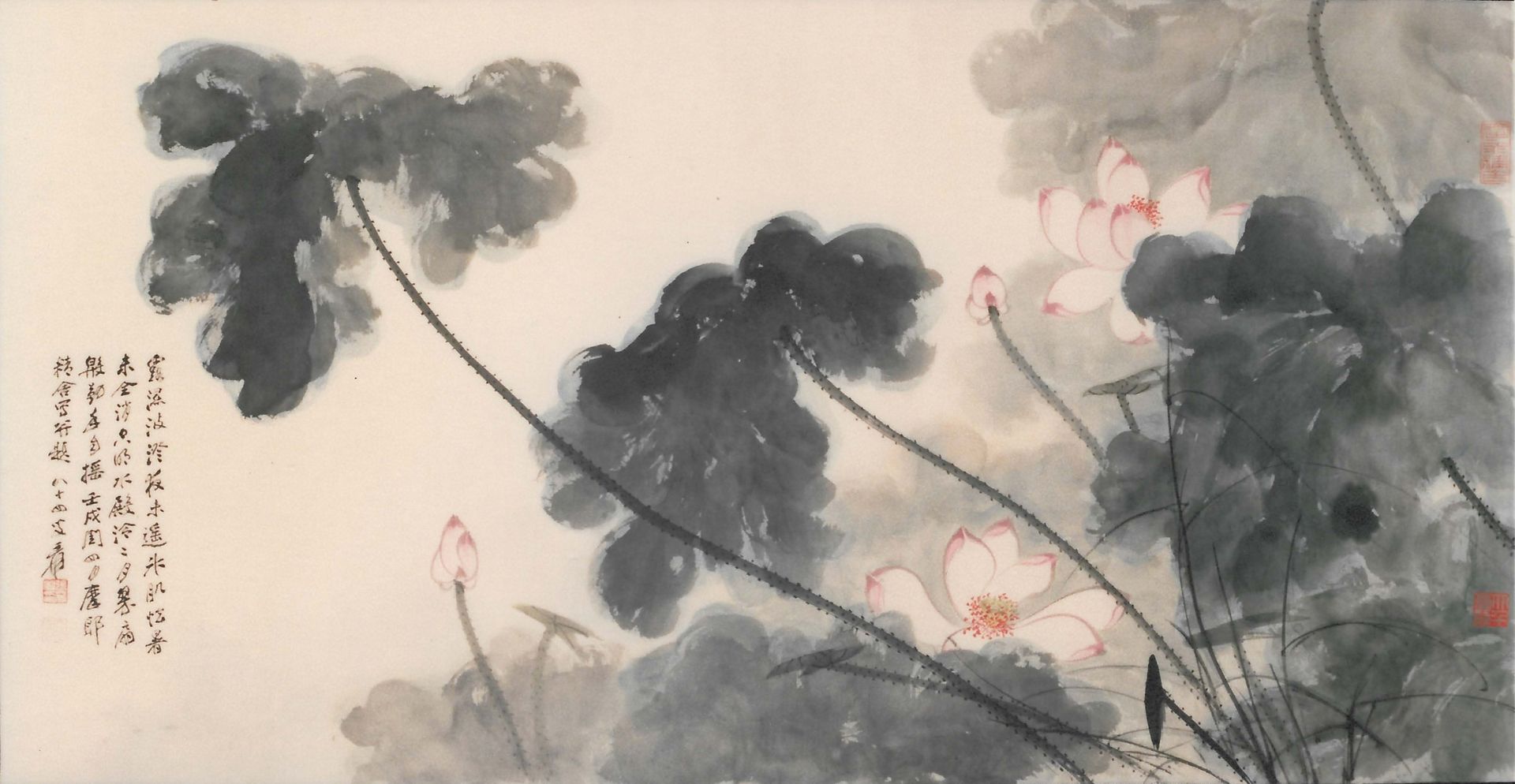
Lotus
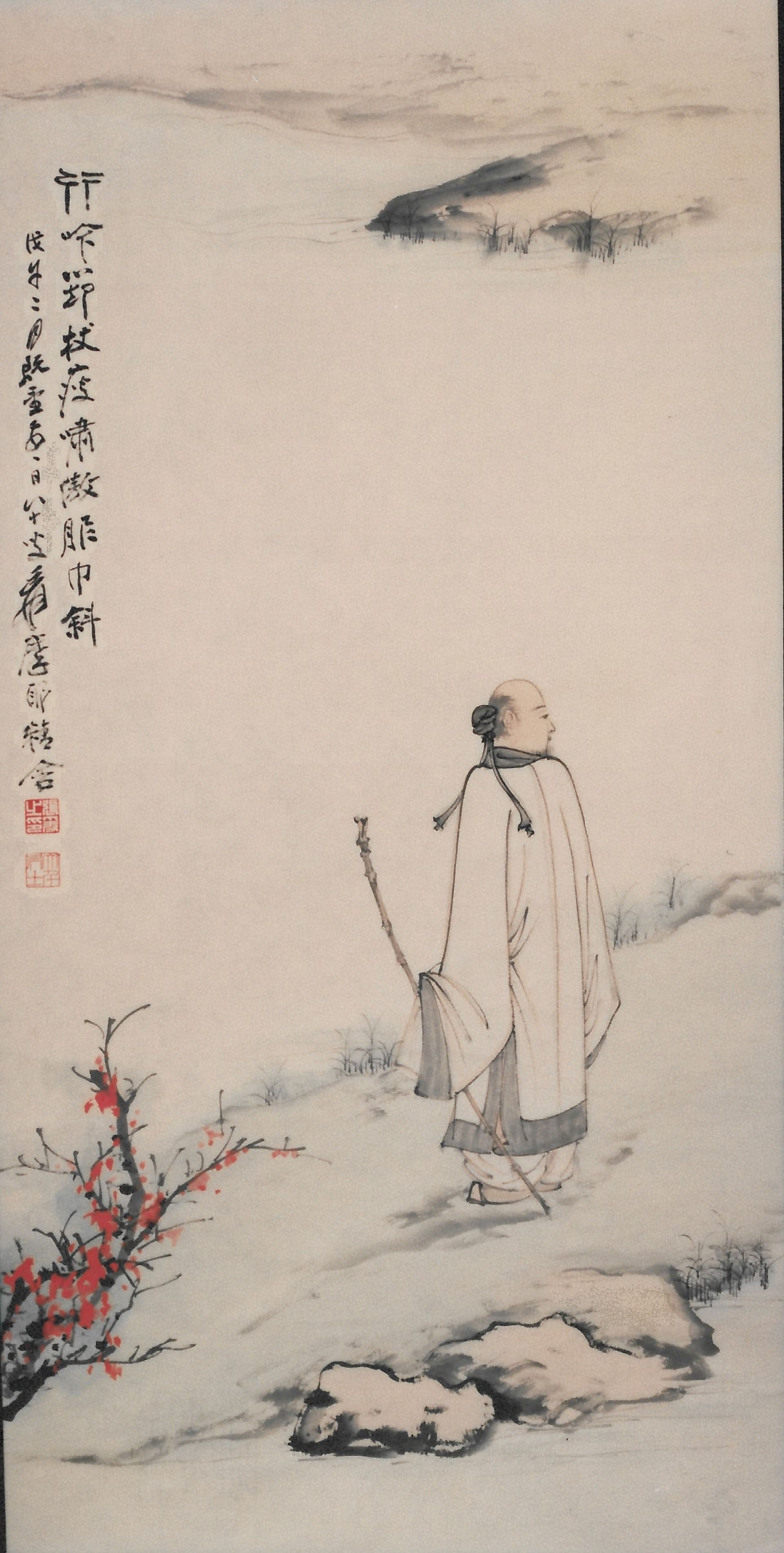
A Hermit Holding a Cane
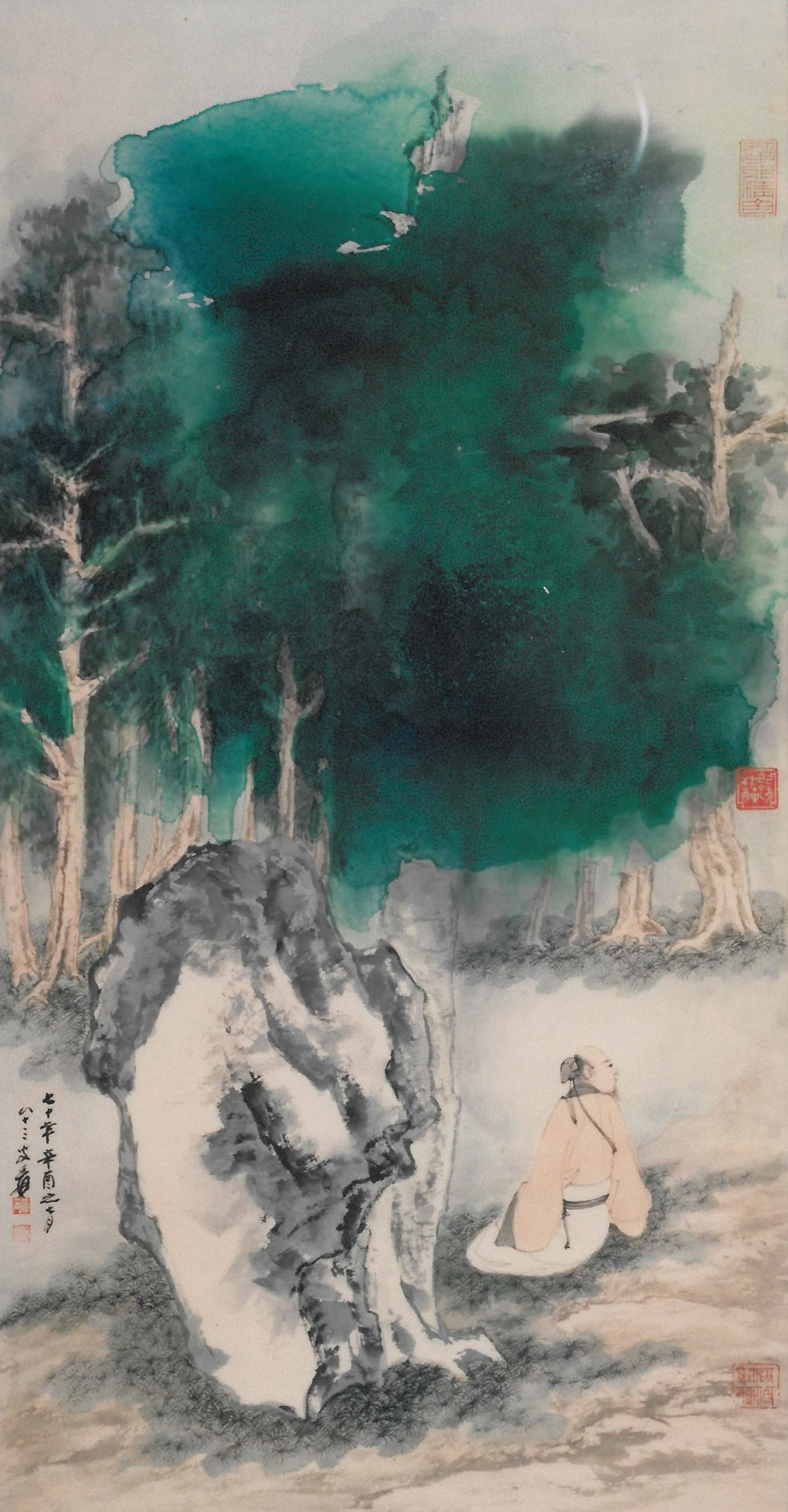
Splashed Ink Landscape
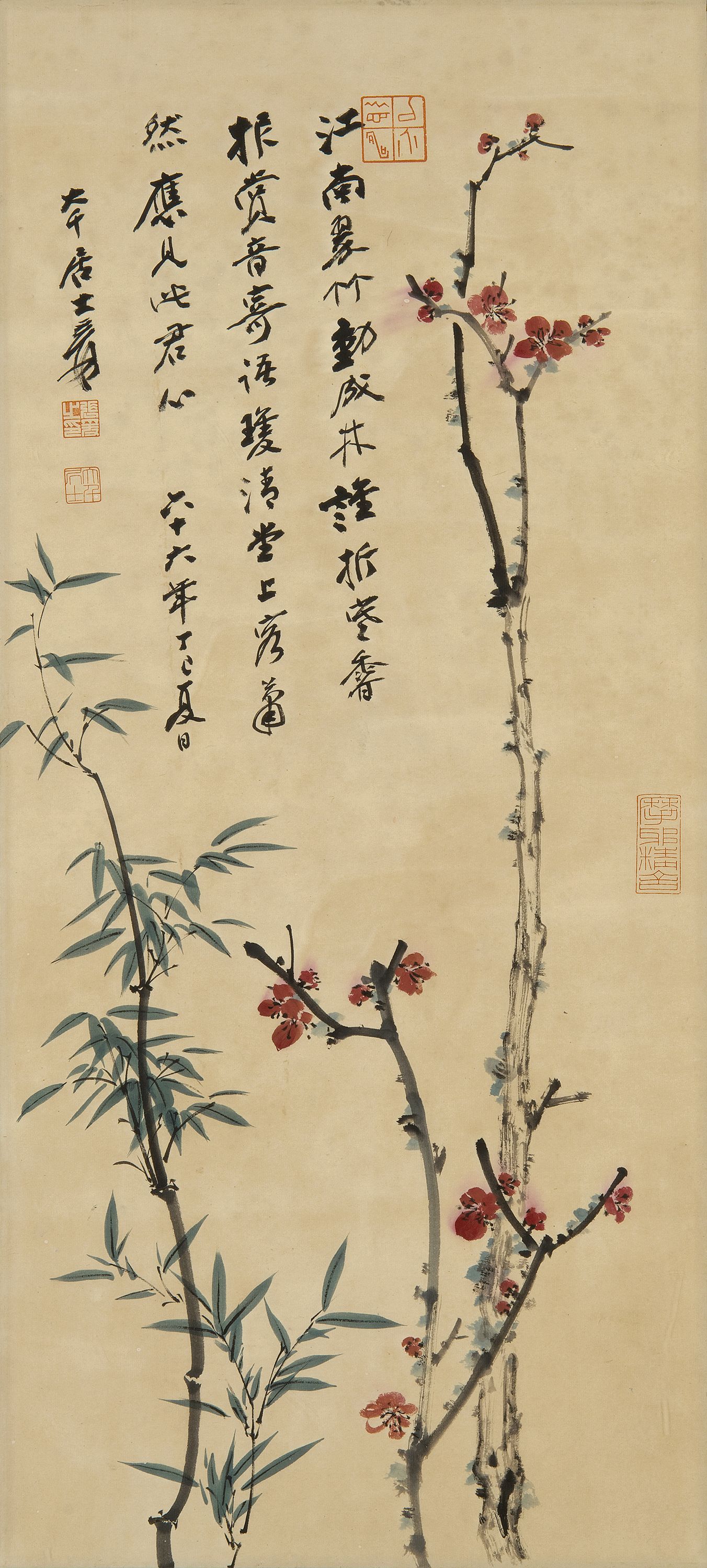
Plum Blossom and Bamboo
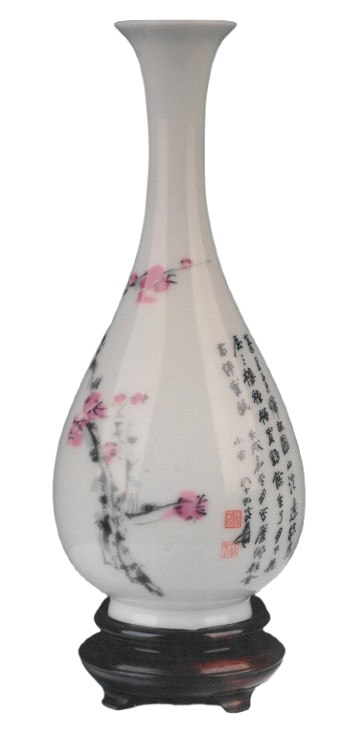
A 'Red Plum' Vase
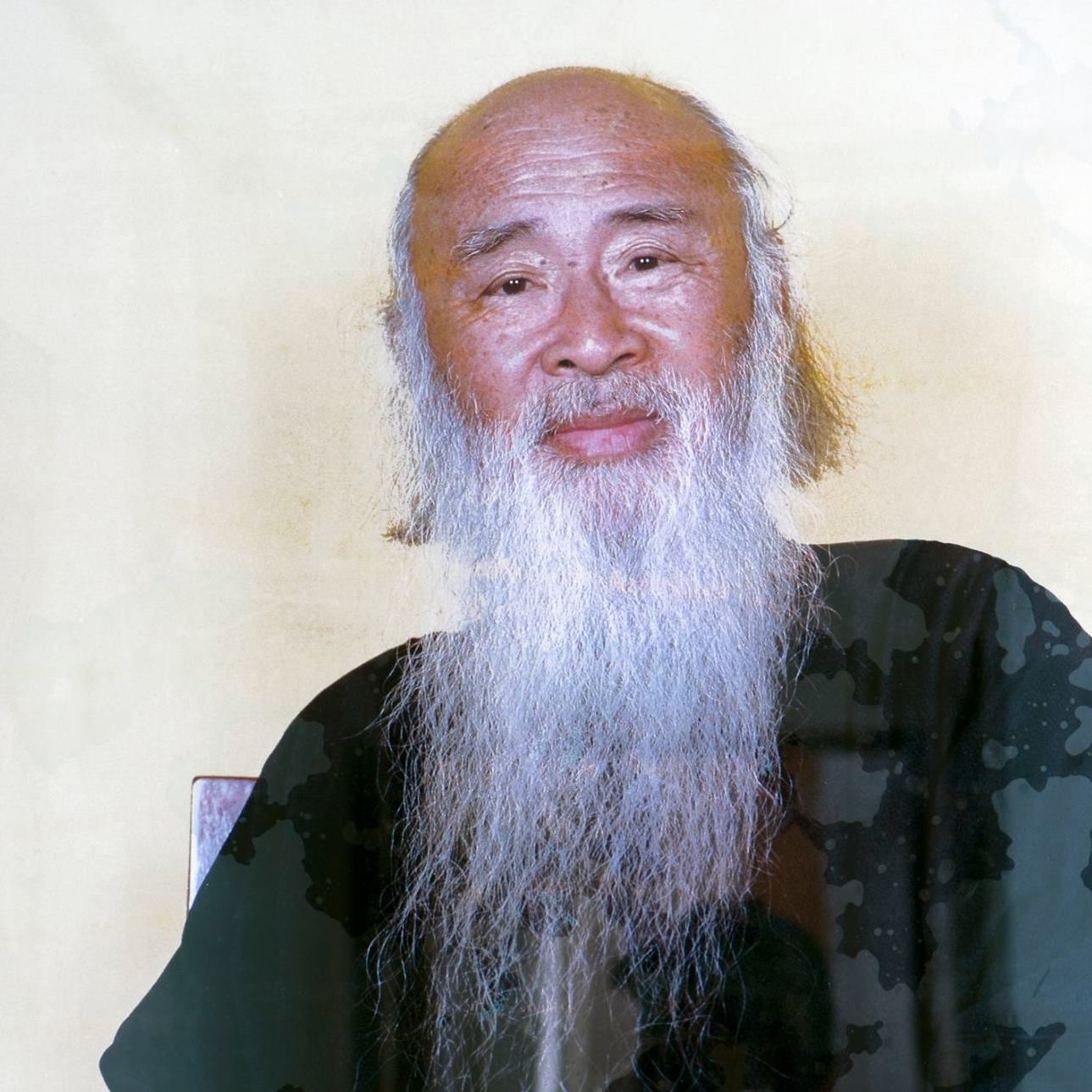
Introduction and Experience
Chang Daichen (1899–1983), originally named Chang Zhengquan, was born in Neijiang, Sichuan, and is regarded as one of the most influential masters of twentieth-century Chinese painting. He studied under Zeng Xi and Li Ruiqing while deeply engaging with the traditions of Shitao and Bada Shanren. Renowned early in his career for his extraordinary mastery of classical copywork and connoisseurship, Chang’s artistic vision was profoundly transformed through his study of the Dunhuang murals between 1941 and 1943, which he absorbed the vibrant palette and monumental compositional language of Sui and Tang dynasty art.
Over the course of his career, Chang evolved seamlessly from meticulous classical refinement toward increasingly experimental forms of expression. In his later years, he pioneered the celebrated pomo and pocai (splashed-ink and splashed-color) techniques, merging traditional Chinese ink with modern abstract sensibilities to create richly atmospheric landscapes distinguished by their expansive scale and luminous color.
Having lived and exhibited across Asia, Europe, the Americas, and Taiwan, Chang played a pivotal role in bringing Chinese painting to international audiences. His works are held in major museum collections, securing his legacy as one of the defining figures of modern ink art.
Exhibitions and Awards
Selected Exhibitions
Solo Exhibitions
2019
Silhouette of a Master: The 120th Anniversary Grand Exhibition of Chang Daichien —National Palace Museum, Taipei, Taiwan
2009
Chang Daichien 110: Calligraphy and Painting Commemorative Special Exhibition —National Museum of History, Taipei, Taiwan
1983
Exhibition of the Mount Lu Scroll —National Museum of History, Taipei, Taiwan
1981
Exhibition of Chang Daichien's Recent Works —National Museum of History, Taipei, Taiwan
1976
Exhibition of Mr. Chang Daichien's Paintings upon His Return to Taiwan —National Museum of History, Taipei, Taiwan
1974
Chang Daichien Painting Exhibition —Tokyo Central Museum, Tokyo, Japan
1973
Exhibition of Chang Daichien's Recent Works —Los Angeles, USA
Retrospective Exhibition of Chang Daichien's Chinese Paintings —National Museum of History, Taipei, Taiwan
1972
A Forty-Year Retrospective Exhibition —San Francisco, USA
1970
Solo Painting Exhibition—Cologne, Germany
1969
Special Exhibition of Copies of Dunhuang Wall Paintings —National Palace Museum, Taipei, Taiwan
1968
Special Exhibition of the Ten-Thousand-Mile Yangtze River Scroll —National Museum of History, Taipei, Taiwan
1967
Solo Art Exhibition—Stanford University Museum of Art, California, USA
Exhibition of Chang Dai-Chien's Recent Works —National Museum of History, Taipei, Taiwan
1965
Solo Art Exhibition—London, UK
1963
Solo Art Exhibition—USA
1962
Chang Daichien Painting Exhibition —Hong Kong Invitational
Exhibition of Chang Daichien's Works —City Hall Museum and Art Gallery, Hong Kong
1960
Chang Daichien's Recent Works International Touring Exhibition—Paris, Brussels, Athens, Madrid (France, Belgium, Greece, Spain)
1958
Chinese Painting Exhibition of Mr. Chang Daichien —National Museum of History, Taipei, Taiwan
1956
Solo Painting Exhibition—Musée d'Art Moderne de Paris, Paris, France
Exhibition of Chang Daichien's Copies of Dunhuang Caves Wall Paintings —Tokyo, Japan
Exhibition of Chang Daichien's Copies of Dunhuang Caves Wall Paintings —Musée Cernuschi, Paris, France
Exhibition of Chang Daichien's Recent Works —Musée du Louvre, Paris, France
1955
Solo Calligraphy and Painting Exhibition—Tokyo, Japan
1953
Solo Painting Exhibition—Taipei, Taiwan
1950
Solo Painting Exhibition—New Delhi, India
Exhibition of Chang Daichien's Recent Works —Hong Kong
1949
Solo Painting Exhibition—Taipei, Taiwan
1948
Solo Painting Exhibition—Shanghai & Hong Kong, China & Hong Kong
1947
Exhibition of Chang Daichien's Paintings from His West Travel to Kham and Amdo —Chengdu, China
1944
Exhibition of Chang Daichien's Copies of Dunhuang Wall Paintings —Chengdu & Chongqing, China
1943
Exhibition of Chang Daichien's Recent Works —Chengdu, China
Exhibition of Chang Daichien's Copies of Dunhuang Wall Paintings —Lanzhou, China
Group Exhibitions
2025
The Formosa Era: A Century of Taiwanese Art Construction —Tainan Art Museum, Tainan, Taiwan
2013 – 2014
The Ten-Thousand-Mile Landscape Frequently Enters My Dreams: Cross-Strait Commemorative Exhibition for the 30th Anniversary of Chang Daichien's Passing Touring Exhibition —Shenzhen, Sichuan, Jilin, National Museum of History (China & Taiwan)
1998
Joint Exhibition of Paintings by Chang Daichien and Pablo Picasso —National Palace Museum, Taipei, Taiwan
1982
Chinese Contemporary Art Exhibition —Kuala Lumpur, Malaysia
1981
New Trends in Chinese Painting Exhibition —Musée Guimet, Paris, France
1979
Exhibition of Works by Three Masters of Modern Chinese Painting: Chang Daichien, Pu Xinyu, Huang Junbi— Hong Kong
1975
Contemporary Chinese Art Exhibition —Seoul, South Korea
1962
International Biennial of São Paulo—São Paulo, Brazil
1946
Modern Art Exhibition—Musée d'Art Moderne de Paris, Paris, France
Joint Exhibition—Musée Cernuschi, Paris, France
1945
Joint Exhibition of Chang Daichien and Yu Feian —Zhongshan Park, Beijing, China
1939
Joint Exhibition of Brothers Chang Shanzi and Chang Daichien —Musée National d'Art Étranger, Paris, France
1938
Joint Exhibition of Collaborative Works by Brothers Chang Shanzi and Chang Daichien —Chongqing, China
1936
Chang Shanzi and Chang Daichien Fan Painting Exhibition —Tianjin & Beijing, China
Charity for the Destitute: Joint Exhibition of Collaborative Works by Chang Daichien and Yu Feian —Beijing, China
1935
Exhibition of Art Masterpieces—Burlington Fine Arts Club, London, UK
1934
Exhibition of Modern Chinese Painting —State Historical Museum, Moscow, Russia
1933
Exhibition of Modern Chinese Painting —Paris, France
Collections
Museum and Institutional Collections
- Chang Dai-Chien Memorial Residence—Taipei, Taiwan
- National Palace Museum—Taipei, Taiwan
- National Museum of History—Taipei, Taiwan
- National Taiwan Museum of Fine Arts (NTMOFA)—Taichung, Taiwan
- Hwa Kang Museum, Chinese Culture University—Taipei, Taiwan
- Chan Liu Art Museum—Taipei, Taiwan
Private Collections
- Works are held in private collections in Taiwan, China, Europe, and the United States.